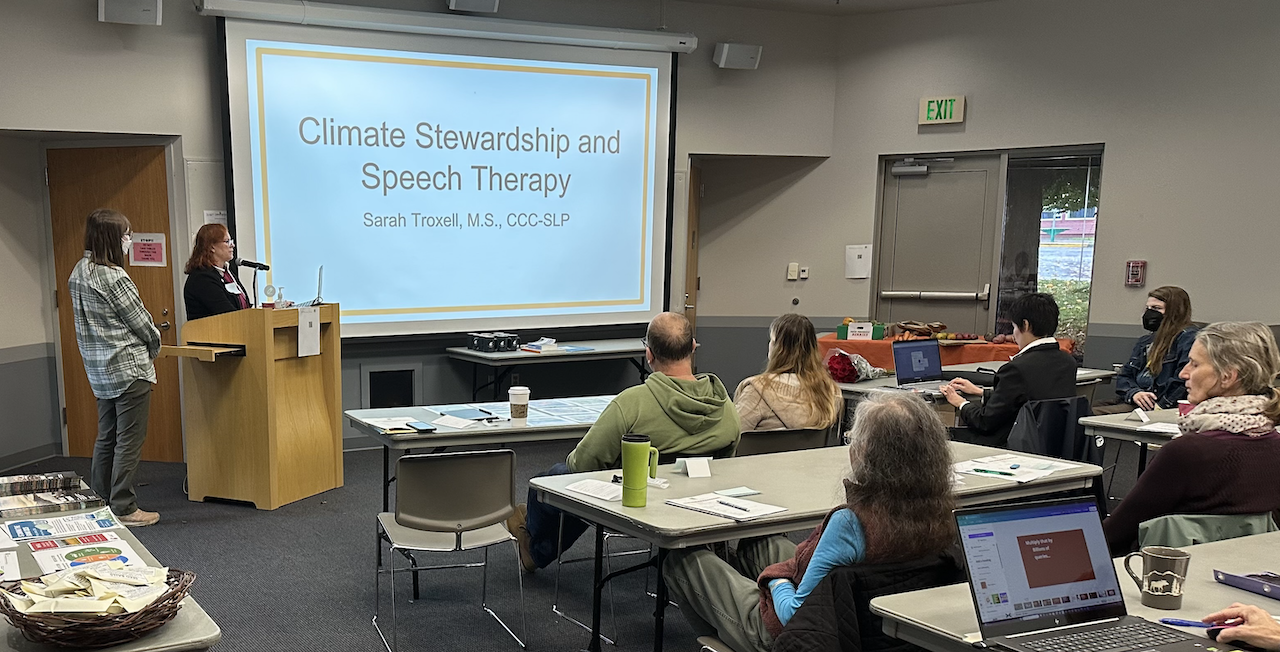
Course Structure
Coursework, speakers & field learning

Climate Stewards seeking change
The Climate Stewards course is designed to ground you in communication, current climate science and Washington policy while giving you the tools to impact change in your community.
The six-unit course* is covered in ten weeks and is comprised of:
- Online education materials, assignments and quizzes
- Regular meetings (virtual) with guest presenters, interactive discussions and activities
- In-person field learning experiences in select counties
*Licensed from UC Climate Stewards. The curriculum was adapted to Washington with input from WSU and UW faculty and staff plus the Washington State Climate Office.
Online Course Units:
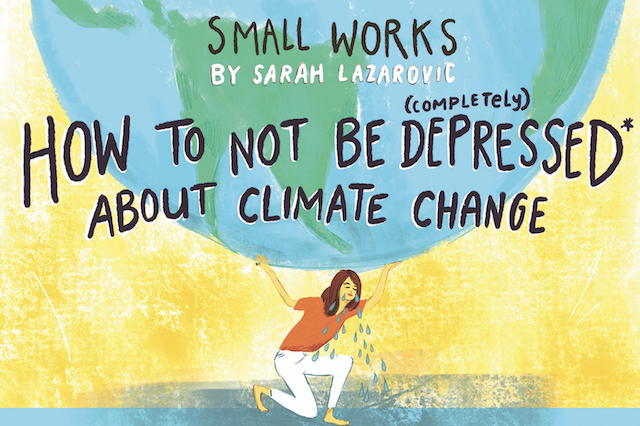
Community Connections

Climate Communication
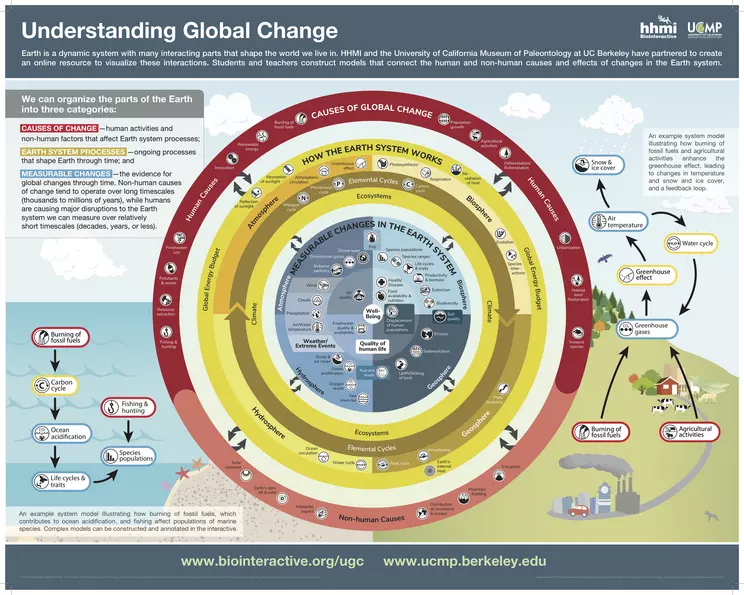
WA Climate & Earth Systems
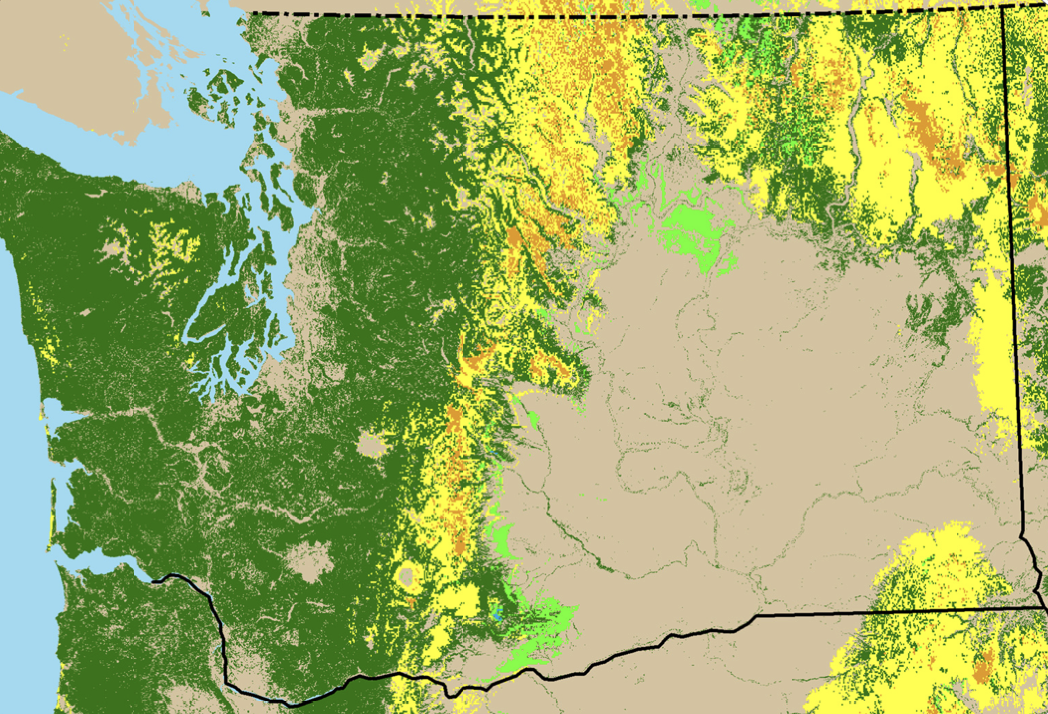
WA Ecosystems
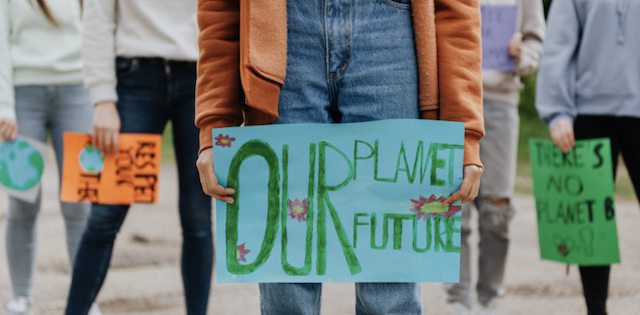
Community Resilience
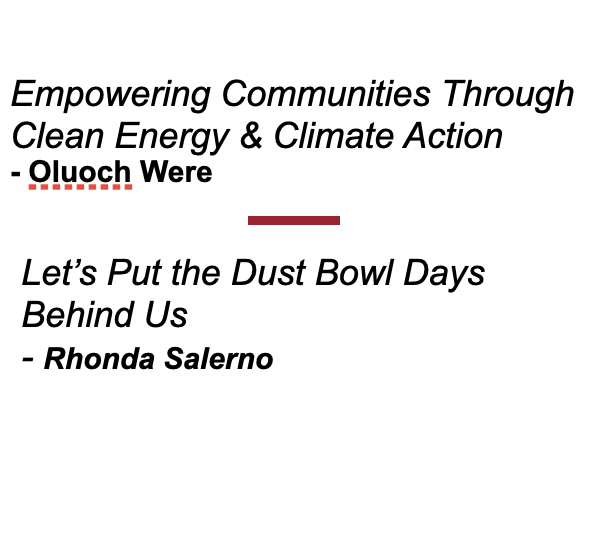
Stewardship Project Presentations
Guest Speakers
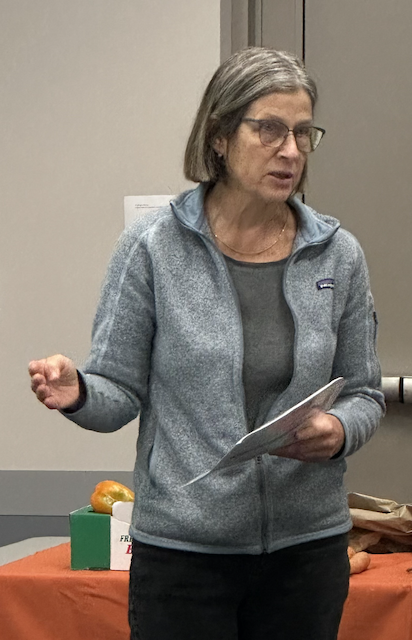
Climate Stewards classes meet regularly (in-person or virtual, depending on class location). These classes are facilitated by WSU Extension team members and features guest presenters.
In past classes, we have had speakers with the following backgrounds:
- Engagement Climatologist, Washington State Climate Office (WASCO)
- Chemical Engineer focused on reducing industrial emissions
- Award winning non-profit leaders who focus on community preparedness
- Educator from the Padilla Bay National Estuarine Research Reserve.
- Chemical Oceanography specializing in inorganic carbon levels in the ocean
- Extension specialist in Community Food Systems & Pollinator Stewardship
Presenters vary based on class location and change from session to session.
Field Learning Experiences:
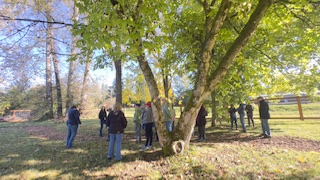
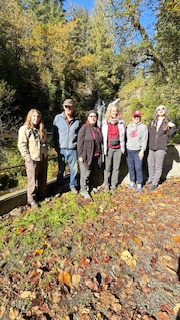
Climate Stewards’ focus is on building resilience in their community. A great way to begin that process and cement your online and classroom learning is to get out in the field. We host events to give you practical knowledge of activities – and people – in your county who share your climate concerns and are taking action in ways large and small. (Note: Field Learning Experiences vary based on location and class session)
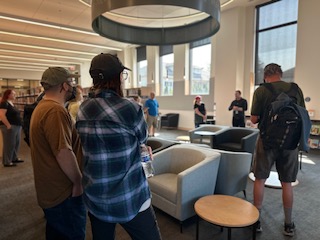
Green Buildings & Solar Projects
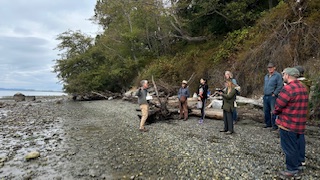
Padilla Bay Estuarine Research Reserve
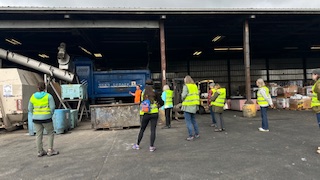
Composting and Water Quality
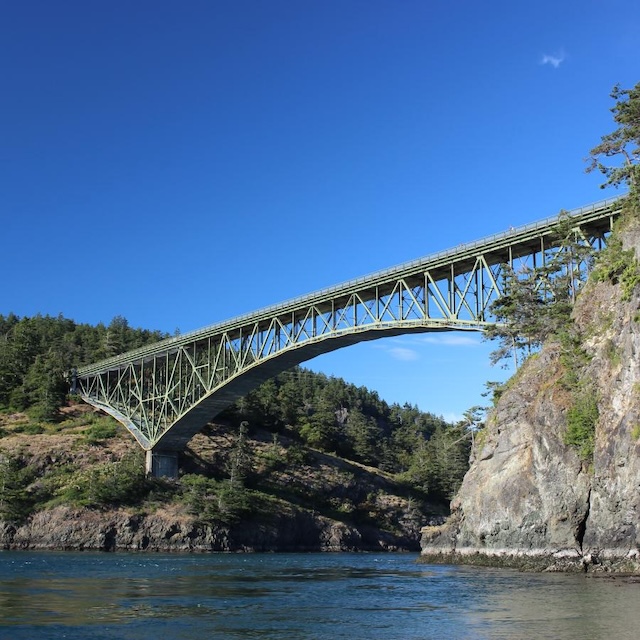
Searise at Deception Pass
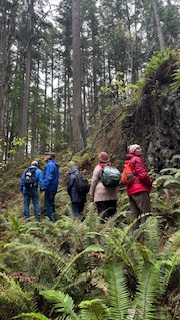
Anacortes Forest Lands
Creek Hydro Alternative Fuels
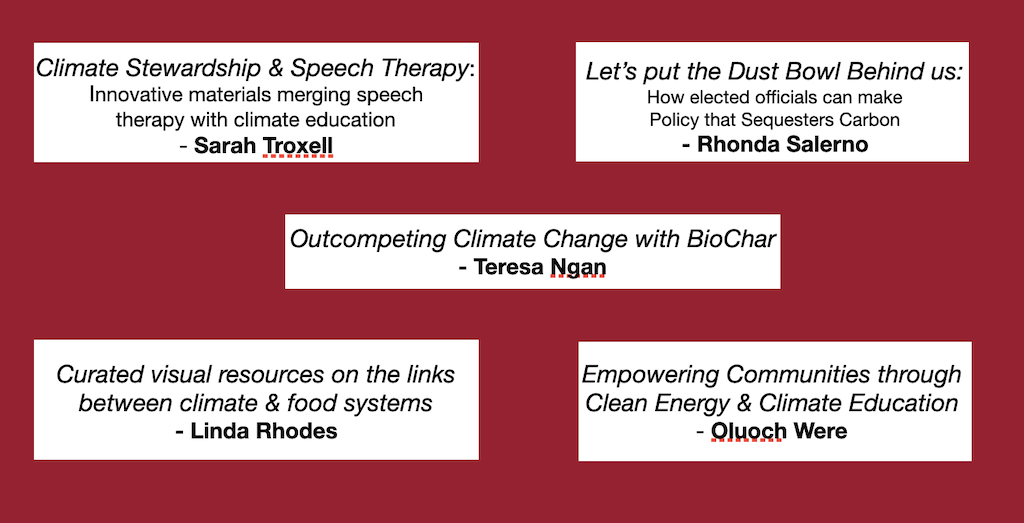
Student Projects
In completing the course, students apply their Climate Stewardship learnings to support their areas of interest.
At left are some of the titles of student projects from a recently completed course.
Is Climate Stewards for me?
The Climate Stewards course is for people who want to take action on climate change through engaging with people and organizations to develop plans to make their community more climate resilient.
The course work is relevant for:
- The General Public.
Climate Stewards gives you the climate knowledge and communication tools to be more effective in having climate conversations with policy makers. - Environmental Professionals.
Climate Stewards can provide professional development with Washington-specific information on climate and gives you foundational principles to be a more effective climate communicator when engaging with the public. - Teachers.
Want to leverage your skills to create a better climate-informed public? The Climate Stewards course is a great place to start. Ask us about applying the course for clock hours in Washington State.
Spring 2026 Climate Stewards Classes:
Duration
- Weekly classes are Thursdays 6:00 – 8:00pm via zoom
- Classes start Thursday April 2nd
- Final class is Thursday, June 4th
- Graduation in person, Saturday June 6th
- Details on Field Learning Experiences & in-person classes
provided at the first session
Pricing
- 10 week course: $225.00
- Early Bird Special! $175.00
(If payment received before March 5th) - Limited Scholarships are available.
To see if you qualify, fill out the Application Form (follow the arrow below) and enter the word ‘Scholarship?’ in the email heading. A Course Coordinator will contact you for further information.
Interested? Next Steps
Complete the attached form and a Course Coordinator will contact you with further details.